Take the shore-diving route
A Caribbean island closely associated with shore diving, reef slopes and the freedom to build a relaxed diving day.
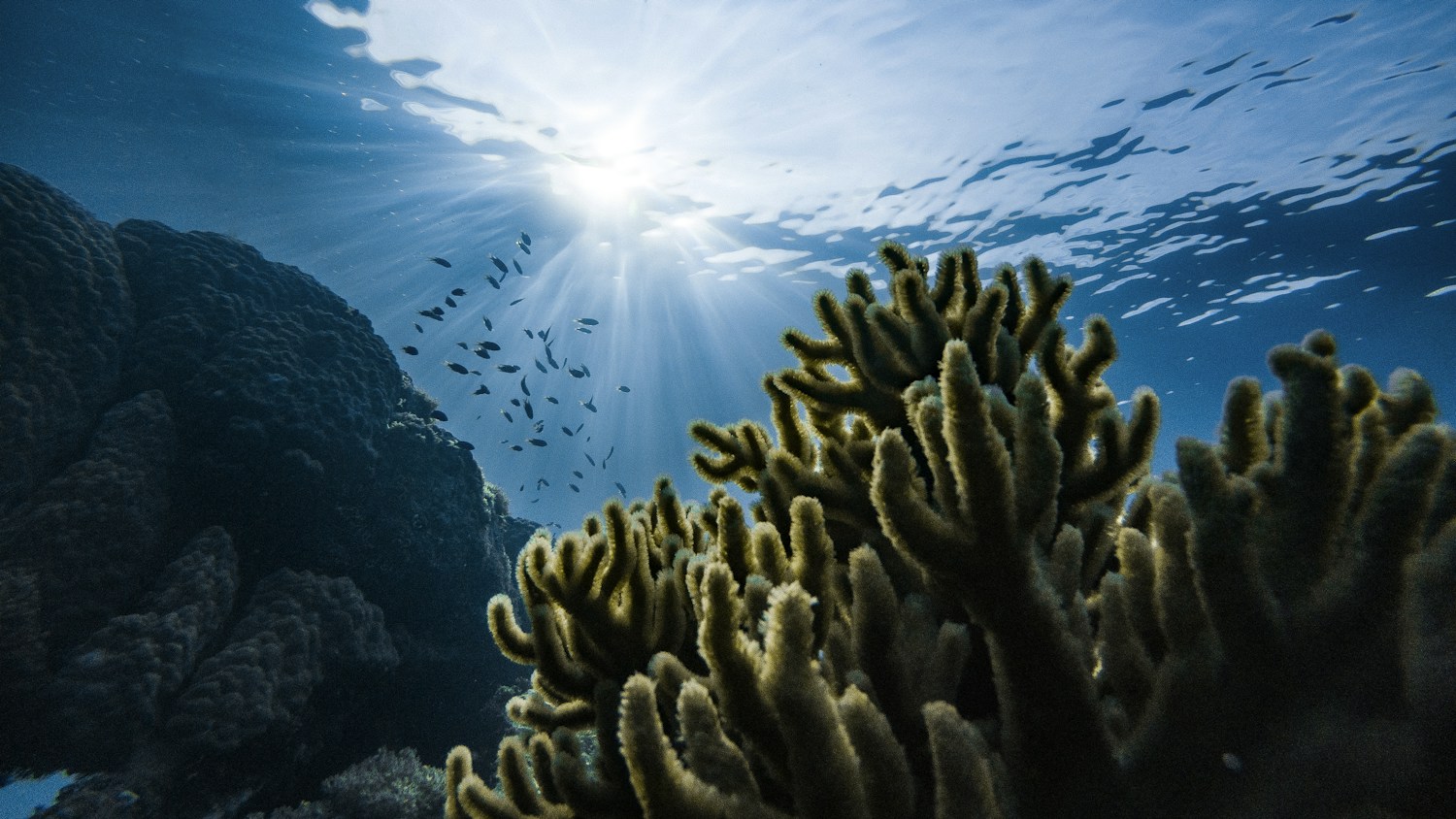
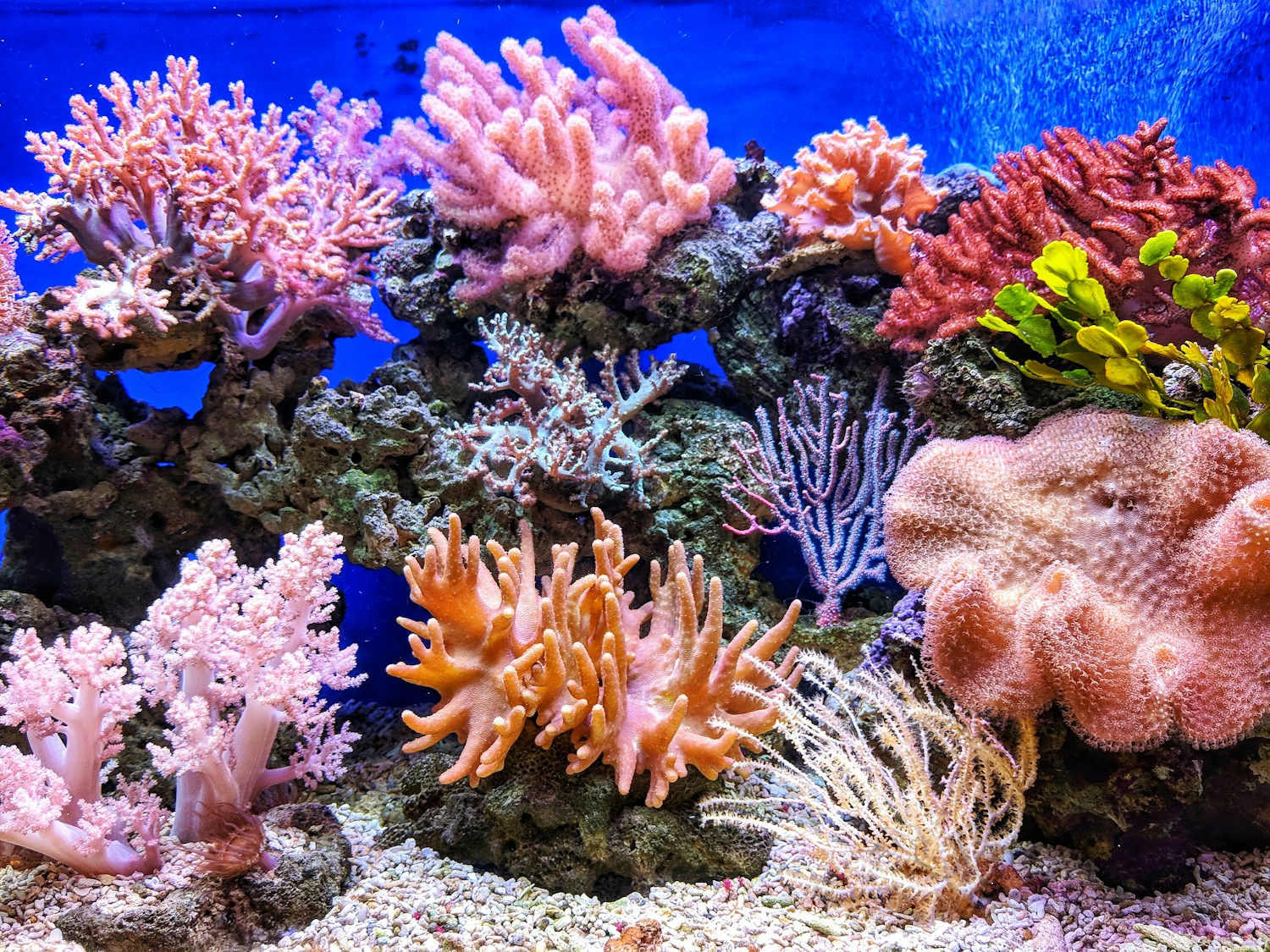
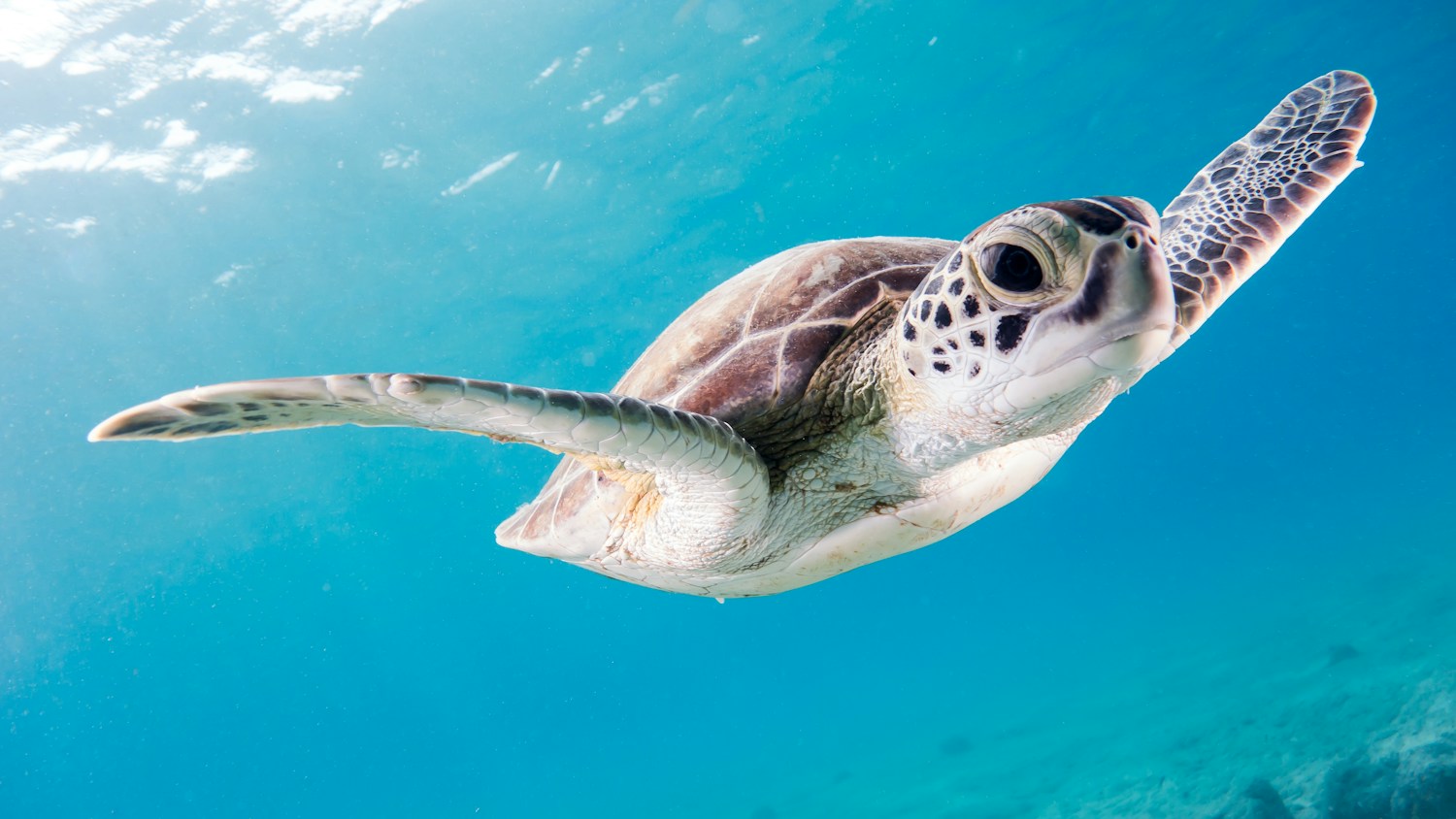
Reef fish, sponges and turtles are among the draws. Slowing down along a reef slope often reveals more than covering a long distance.
Make room for more than the best-known dive. A slower day on a nearby reef can reveal the character of a place and help you settle into local conditions. Ask your guide what they enjoy showing visitors, and explain whether your interests are photography, marine life, scenery or underwater history.
Places to explore
Western shore reefs
Many divers focus on the island’s more sheltered western coastline. Check the entry, exit and local orientation before making an independent dive.
Klein Bonaire
Boat trips add a different perspective to a shore-based holiday. Compare guided routes and reef etiquette before choosing your excursion.
Hilma Hooker
A well-known wreck that calls for careful depth and gas planning. An external visit does not require entering the ship.
These are areas and site ideas, not prescribed dive plans. Routes, depths and access must be assessed locally.
Conditions & experience
Shore diving requires independent navigation, an achievable return route and a realistic exit plan. Do not assume a marked entry is automatically suitable for your experience.
Share your certification level, recent dive history and any equipment changes with the operator. Ask what happens if conditions exceed your comfort level, how groups are organised and how the boat or shore team supports divers at the surface. Build in an easier orientation dive where possible.
When to consider travelling
The island attracts divers across the year. Wind, swell and rainfall can still change a particular entry or site, so avoid treating year-round diving as a guarantee of easy conditions.
Use seasonal descriptions as a conversation starter, rather than a forecast. Ask for recent information about visibility, water temperature and surface conditions at the specific sites on your proposed itinerary. Pack exposure protection for the diving you will actually do.
Getting there & choosing a base
Choose accommodation with suitable equipment storage and a clear plan for reaching dive sites. Vehicle arrangements, local orientation and marine-park requirements should be checked before arrival.
Compare the complete itinerary: transfers, equipment arrangements, guided dives, meals and non-diving time. Check what is included and what requires a separate payment. Keep copies of your certification and insurance details accessible, and leave enough flexibility for weather-related changes.
Look after the place you came to see
Keep fins, gauges and cameras clear of the reef. Give wildlife space and resist the temptation to reposition an animal for a photograph. Follow local marine-park rules and choose an operator who explains how their diving practices protect the habitat.
Further reading
Destination context: PADI destination information ↗. Access, requirements and conditions should be confirmed directly before travel. Editorial guide prepared November 2026.